Some cool cylindrical grinding China images:
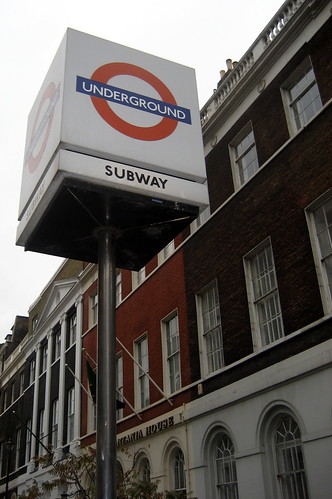
UK - London - Tube - Way Out

Image by wallyg
The London Underground is an all-electric metro railway system that covers much of the conurbation of Greater London and some neighbouring areas. It is the world"s oldest underground system, and is the largest in terms of route length. Service began on January 10, 1863 on the Metropolitan Railway; most of that initial route is now part of the Hammersmith & City Line. Despite its name, about 55% of the network is above ground. Popular local names include the Underground and, more colloquially, the Tube, in reference to the cylindrical shape of the system"s deep-bore tunnels. The Underground currently serves 274 stations and runs over 408 km (253 miles) of lines. There are also a number of former stations and tunnels that are now closed. In 2004–2005, total passenger journeys reached a record level of 976 million, an average of 2.67 million per day.
The origins of the roundel, in earlier years known as the "bulls-eye" or "target", are more obscure. While the first use of a roundel in a London transport context was the 19th-century symbol of the London General Omnibus Company — a wheel with a bar across the centre bearing the word GENERAL — its usage on the Underground stems from the decision in 1908 to find a more obvious way of highlighting station names on platforms. The red disc with blue name bar was quickly adopted, with the word "UNDERGROUND" across the bar, as an early corporate identity. The logo was modified by Edward Johnston in 1919.
Each station displays the Underground roundel, often containing the station"s name in the central bar, at entrances and repeatedly along the platform, so that the name can easily be seen by passengers on arriving trains.
The roundel has been used for buses and the tube for many years, and since TfL took control it has been applied to other transport types (taxi, tram, DLR, etc.) in different colour pairs. The roundel has to some extent become a symbol for London itself.
Theobroma cacao blossoms ... Cây Cacao trổ hoa ....

Image by Vietnam Plants & The USA. plants
Chup hình ở Bến Tre, VietNam
Taken in Bến Tre province, Southern of VietNam
Vietnamese named : Cacao
English names : Cacao, Cocoa
Scientist name : Theobroma cacao
Synonyms :
Family : Sterculiaceae " Cacao family . Họ Trôm
KingdomPlantae – Plants
SubkingdomTracheobionta – Vascular plants
SuperdivisionSpermatophyta – Seed plants
DivisionMagnoliophyta – Flowering plants
ClassMagnoliopsida – Dicotyledons
SubclassDilleniidae
OrderMalvales
GenusTheobroma L. – theobroma
SpeciesTheobroma cacao L. – cacao
Searched from :
**** LONGDINH.COM
longdinh.com/default.asp?act=chitiet&ID=908&catID=3
Ca cao (Theobroma cacao) thuộc thứ Theobroma họ Stercu-liaceae. Thứ Theobroma bao gồm 22 loài, trong đó chỉ có loài Theobroma ca cao được trồng rộng rãi còn các loài khác hoặc hoang dại, hoặc rất ít được trồng.
Các tác giả chia Theobroma cacao ra hai loài phụ là :
Theobroma cacao spp. cacao, gồm các quần thể dạng Criollo.
Theobroma cacao sphaerocarpum, gồm các quần thể còn lại, trong đó có Forastero.
Các loài phụ này đều là các dòng nhị bội, với số nhiễm sắc thể 2 n = 20.
I. SINH TRƯỞNG THÂN
Khi hạt ca cao nẩy mầm, rễ mọc ra trước, sau đó 2 lá mầm được đội lên khỏi mặt đất 3 - 4 cm. Đó là giai đoạn sinh trưởng thứ nhất.
Giai đoạn sinh trưởng thứ hai bắt đầu từ lúc các lá sò mở ra sau đó 4 lá đầu tiên xuất hiện. Cây sinh trưởng tiếp tục trong 6 ( 7 tuần lễ và chiều cao có thể đạt trên 1 m.
Giai đoạn sinh trưởng thứ ba bắt đầu sau đó, lúc việc sinh trưởng theo chiều cao bắt đầu chậm lại và 5 chồi bên phát triển đồng thời, tạo thành một “tầng” lá.
Sau một số năm, cây ca cao có thể đạt chiều cao 4 ( 10 m tùy theo mật độ và độ che sáng. Các chồi vượt thường hình thành từ thân cành chính và cũng tạo ra các “tầng” lá, làm cho cây ca cao tạo tán rõ rệt. Tán cây ca cao có liên quan nhiều đến sản lượng, vì vậy việc tạo tán cho cây là một kỹ thuật quan trọng trong nghề trồng ca cao.
II. LÁ
Lá ca cao phát triển thành từng đợt. Mỗi đợt các chồi đỉnh phát triển nhanh tạo ra từ 3 đến 6 cặp lá mới. Các lá mới đều có màu xanh nhạt hoặc hơi đỏ nhưng khi thành thục hoàn toàn sẽ có màu xanh của lá trưởng thành. Sau mỗi đợt lá mới, các chồi đỉnh lại đi vào tình trạng ngủ một thời gian dài hay ngắn tùy vào một số điều kiện ngoại cảnh.
Ở một đợt ra lá mới, chất dinh dưỡng được chuyển một phần từ các lá già về và làm các lá già này rụng. Vì vậy có người còn gọi mỗi đợt lá mới ở ca cao là thay áo. Trong các yếu tố ngoại cảnh dẫn đến đợt lá mới chủ yếu là nhiệt độ và độ ẩm. Mưa giúp các đợt ra lá mới dày hơn và ở các cây ca cao không được che nắng lá mới cũng ra nhiều hơn ca cao trồng có che.
Sinh trưởng của cây ca cao
Các khí khổng đều nằm ở mặt dưới phiến lá.
Trồng ở khoảng cách thích hợp, các tầng lá của vườn ca cao trưởng thành sẽ đan thành một thảm xanh dày. Ánh sáng lọt qua tầng lá của các cây che bóng cao hơn vẫn đủ cho cây ca cao quang hợp và chuyển hóa chất dinh dưỡng. Việc che bóng cho cây ca cao đặc biệt cần thiết ở giai đoạn cây con trong vườn ương . Vì có nguồn gốc là những cây mọc dưới tán rừng rậm nhiệt đới, ca cao thuộc loài cây ưa bóng. Nếu nhiều ánh sáng quá, sinh trưởng ca cao ở vườn ương sẽ không bình thường, cây không đủ độ cao và nhanh biến thành dạng bụi nhiều nhánh. Khi trưởng thành, vườn ca cao không có cây che phủ dễ bị sâu phá hại và gió làm thương tổn các đợt lá mới.
III. RỄ
Bộ rễ ca cao gồm một rễ trụ chính có thể dài tới 2 m, kèm theo một hệ thống rễ phụ chủ yếu nằm ở tầng đất mặt 20 cm. Bộ rễ phụ đan dày đặc giúp ca cao hút chất dinh dưỡng và rễ trụ có nhiệm vụ hút nước và chất dinh dưỡng ở tầng sâu lên.
IV. HOA
Hoa ca cao phát triển trực tiếp trên thân và cành ở các chỗ đã hóa gỗ ít nhất 2 - 3 năm. Hoa nhỏ, màu hồng có 5 cánh, 5 đài hoa và bầu nhị có 5 ngăn. Cánh hoa ở dưới thon lại trên phình rộng ra, làm cho cánh hoa ca cao có hình thù khá đặc biệt. Hoa ca cao có 10 nhị đực trong đó chỉ có 5 nhị đực nằm phía trong là có chức năng sinh sản. Mỗi nhị đực này có 2 túi phấn.
Khi một nụ hoa đã thành thục, các đài hoa tách vào buổi chiều, hoa tiếp tục nở qua đêm và sáng hôm sau là lúc các túi phấn tung phấn và thụ phấn xảy ra trong ngày. Các hoa không được thụ phấn sẽ rụng.
Trên mỗi cây ca cao trưởng thành có thể thấy rất nhiều hoa hình thành nhưng thông thường chỉ 1 - 5% được thụ tinh và kết trái.
Việc thụ phấn chủ yếu do côn trùng thuộc họ Ceratopogonidae. Vì chúng rất nhỏ nên khó quan sát thấy. Chúng sống ở những nơi mát, tối và ẩm và sinh sản trên các tàn dư thực vật, kể cả trên các vỏ quả ca cao. Vòng đời của loài côn trùng này khoảng 28 ngày và quần thể chúng tăng rõ rệt vào mùa mưa. Cả côn trùng đực và cái đều làm nhiệm vụ thụ phấn nhưng những con cái tích cực hơn. Chúng hoạt động thụ phấn chủ yếu vào chiều tối, bay từ cây nọ qua cây kia ở một khoảng cách nhỏ. Mặc dù thụ phấn do côn trùng, việc phun thuốc sâu chỉ ảnh hưởng một thời gian vài ngày tới mật độ quần thể côn trùng vì chúng phục hồi rất nhanh, và vì vậy chưa có bằng chứng rõ rệt về ảnh hưởng xấu của việc phun thuốc sâu lúc ra hoa đến sản lượng quả.
Ca cao có mức độ thụ phấn chéo cao vì phần lớn các giống trồng hiện nay đều tự bất thụ. Mức độ tự bất thụ cũng không giống nhau ở các loài phụ khác nhau.
V. QUẢ VÀ HẠT
Sau khi thụ phấn, hạt phấn nảy mầm trên đầu nhị cái và vòi phấn chui vào để thụ tinh với noãn. Hợp tử bắt đầu phát triển để thành hạt ca cao.
Trong 40 ngày đầu quả ca cao phát triển chậm nhưng sau đó nhanh dần. Quả đạt kích thước lớn nhất sau thụ phấn độ 75 ngày. Sau 85 ngày phôi hạt bắt đầu lớn nhanh, noãn sào được lấp đầy các chất nội nhũ nhày. Sau 140 ngày phôi hạt đã tiêu thụ gần hết số chất nhày này để phát triển, trong hạt tích lũy một lượng lớn dầu béo. Khi phôi hạt ngừng phát triển là lúc quả chín.
Như vậy thời gian từ khi thụ phấn đến khi quả chín kéo dài 5 ( 6 tháng.
Số lượng hoa thụ tinh mặc dù nhỏ so với tổng số hoa nhưng cây ca cao thường không duy trì được hết số quả đã hình thành. Trong vòng 100 ngày sau khi thụ tinh chủ yếu vào các thời điểm sau 50 và 70 ngày, quả non có thể trở nên vàng, ngừng sinh trưởng sau đó đen lại nhưng vẫn dính trên cây.
Tỷ lệ quả không đi đến được giai đoạn chín tùy thuộc rất nhiều vào loài và điều kiện ngoại cảnh. Sâu bệnh cũng là một yếu tố quan trọng.
Cây ca cao ra trái
Mỗi quả ca cao thường chứa 30 - 40 hạt, chung quanh hạt có màng chất nhầy bao bọc. Màng nhầy có vị hơi ngọt và là cơ chất cho quá trình lên men khi ủ hạt sau này.
Quả ca cao có kích thước hình dáng màu sắc khá đa dạng. Kích thước có thể từ 10 - 30 cm (dài), hình dáng có thể từ gần tròn đến dài dạng ống, vỏ ngoài có thể tương đối nhẵn hoặc xù xì. Màu sắc có thể từ xanh vàng đến tím sẫm hoặc hơi đỏ.
Tập tính của ca cao là thụ phấn chéo bằng côn trùng vì vậy sự phân ly tính trạng rất rõ rệt. Các quả trên cùng một cây có thể giống nhau nhưng trong cùng một vườn có thể gặp nhiều dạng quả khác nhau rõ rệt.
**** TRƯỜNG ĐẠI HỌC NÔNG LÂM THÀNH PHỐ HỒ CHÍ MINH : Kỷ thuật trồng cây Cacao .
rttc.hcmuaf.edu.vn/contents.php?ids=8155&ur=rttc
**** TVVN.ORG : bài viết về cây Cacao của Dược sĩ Trần Việt Hưng : ( Xin nhấp vào link để đọc đầy đủ thông tin của bài viết này. )
tvvn.org/forum/showwiki.php?title=Chapter:Cacao_-_Trần_...
Giá trị dinh dưỡng của bột Cacao
(100 gram chứa )
- Calories 229
- Chất đạm19.6 g
- Chất béo13.7 g
- Calcium128 mg
- Sắt13.86 mg
- Magnesium499 mg
- Phosphorus734 mg
- Potassium1.524 mg
- Sodium21 mg
- Kẽm6.81 mg
- Đồng3.788 mg
- Mangnese3.83 mg
-Beta Carotene (A)20 IU
- Thiamine (B1)0.078 mg
- Riboflavine (B2)0.241 mg
- Niacin (B3)2.185 mg
- Panthothenic acid0.254 mg
- Pyridoxine0.018 mg
- Folic acid32 mcg
________________________________________________________________
**** www.hort.purdue.edu/newcrop/duke_energy/theobroma_cacao.html
Uses
Cacao seeds are the source of commercial cocoa, chocolate, and cocoa butter. Fermented seeds are roasted, cracked and ground to give a powdery mass from which fat is expressed. This is the cocoa from which a popular beverage is prepared. In the preparation of chocolate, this mass is mixed with sugar, flavoring, and extra cocoa fat. Milk chocolate incorporates milk as well. Cocoa butter is used in confections and in manufacture of tobacco, soap, and cosmetics. Cocoa butter has been described as the world"s most expensive fat, used rather extensively in the emollient "bullets" used for hemorrhoids.
Folk Medicine
Reported to be antiseptic, diuretic, ecbolic, emmenagogue, and parasiticide, cacao is a folk remedy for alopecia, burns, cough, dry lips, eyes, fever, listlessness, malaria, nephrosis, parturition, pregnancy, rheumatism, snakebite, and wounds (Duke and Wain, 1981). Cocoa butter is applied to wrinkles in the hope of correcting them (Leung, 1980).
Chemistry
Per 100 g, the seed is reported to contain 456 calories, 3.6 g H2O, 12.0 g protein, 46.3 g fat, 34.7 g total carbohydrate, 8.6 g fiber, 3.4 g ash, 106 mg Ca, 537 mg P, 3.6 mg Fe, 30 mg b-carotene equivalent, 0.17 mg thiamine, 0.14 mg riboflavin, 1.7 mg niacin, and 3 mg ascorbic acid. According to the Wealth of India, the edible pulp of the fruit contains 79.7–88.5% water, 0.5–0.7% albuminoids, astringents, etc.; 8.3–13.1% glucose, 0.4–0.9% sucrose, a trace of starch, 0.2–0.4% non-volatile acids (as tartaric), 0.03% Fe2O3 and 0.4% mineral salts (K, Na, Ca, Mg). The shell contains 11.0% moisture, 3.0% fat, 13.5% protein, 16.5% crude fiber, 9.0% tannins, 6.0% pentosans, 6.5% ash, and 0.75 theobromine. Raw seeds contain 0.24 mg/100 g thiamine, 0.41 riboflavin, 0.09 pyridoxine, 2.1 nicotinamide, and 1.35 pantothenic acid. The component fatty acids of cocoa butter are 26.2% palmitic and lower acids, 34.4 stearic and higher acids, 37.3% oleic acid, 2.1% linoleic and traces of isoleic. In g/100g the individual amino acids in the water soluble fractions of unfermented and fermented beans are lysine 0.08, 0.56; histidine 0.08, 0.04; arginine 0.08, 0.03; threonine 0.14, 0.84; serine 0.88, 1.99; glutamic acid 1.02, 1.77; proline 0.72, 1.97; glycine 0.09, 0.35; alanine 1.04, 3.61; valine 0.57, 2.60; isoleucine 0.56, 1.68; leucine 0.45, 4.75; tyrosine 0.57, 1.27; and phenylalanine 0.56–3.36 g/100g. Unfermented and fermented beans contain p-hydroxybenzoic acid, vanillic acid, p-coumaric acid, ferulic acid, and syringic acid, while the fermented beans also contain protocatechuic, phenylacetic, phloretic acid and the lactone esculetin and o- and p-hydroxyphenyl acids. Caffeic acid occurs in the unfermented beans (C.S.I.R., 1948–1976). According to an article in the Chicago Sun Times, people who suffer extreme depression as victims of unrequited love have an irregular production of phenylethylamine. Such individuals often go on chocolate binge during periods of depression. Chocolate is particularly high in phenylethylamine, perhaps serving as medication. Theophylline is a potent CNS and cardiovascular stimulant with diuretic and bronchial smooth muscle relaxant properties. Recently this drug was proven effective in preventing and treating apnea in premature infancy. Cocoa contains over 300 volatile compounds, including esters, hydrocarbonslactones, monocarbonyls, pyrazines, pyrroles, and others. The important flavor components are said to be aliphatic esters, polyphenols, unsaturated aromatic carbonyls, pyrazines, diketopiperazines, and theobromine. Cocoa also contains about 18% proteins (ca 8% digestible); fats (cocoa butter); amines and alkaloids, including theobromine (0.5 to 2.7%), caffeine (ca 0.25% in cocoa; 0.7 to 1.70 in fat-free beans, with forasteros containing less than 0.1% and criollos containing 1.43 to 1.70%), tyramine, dopamine, salsolinol, trigonelline, nicotinic acid, and free amino acids; tannins; phospholipids; etc. Cocoa butter contains mainly triglycerides of fatty acids that consist primarily of oleic, stearic, and palmitic acids. Over 73% of the glycerides are present as monounsaturated forms (oleopalmitostearin and oleodistearin), the remaining being mostly diunsaturated glycerides (palmitodiolein and stearodiolein), with lesser amounts of fully saturated and triunsaturated (triolein glycerides). Linoleic acid levels have been reported to be up to 4.1%. Also present in cocoa butter are small amounts of sterols and methylsterols; sterols consist mainly of b-sitosterol, stigmasterol, and campesterol, with a small quantity of cholesterol. In addition to alkaloids (mainly theobromine), tannins, and other constituents, cocoa husk contains a pigment that is a polyflavone glucoside with a molecular weight of over 1500, this pigment is claimed to be heat and light resistant, highly stable at pH 3 to 11, and useful as a food colorant; it was isolated at a 7.9% yield (Leung, 1980).
Toxicity
Reviewing the work on safrole, Buchanan (J. Food Safety 1:275.1978) concluded that it is the most thoroughly investigated methylenedioxybenzene derivative. The major flavoring constituent in sassafras root bark, safrole also occurs in basil (Perdue and Hartwell, eds., 1976), black pepper, cinnamon leaf oil, cocoa, mace, nutmeg, parsley, and star anise oil. When safrole was identified as a "low grade hepatocarcinogen, it was banned in root beer, and the FDA in 1976 banned interstate marketing of sassafras for sassafras tea. The oral LD50 for safrole in rats is 1950 mg/kg body weight, with major symptoms including ataxia, depression, and diarrhea, death occurring in 4–5 days. Ingestion of relatively large amounts of sassafras oil produced psychoactive and hallucinogenic effects persisting several days in humans. With rats, dietary safrole at levels of 0.25%, 0.5% and 1% produced growth retardation, stomach and testicular atrophy, liver necrosis, and biliary proliferation and primary hepatomas. Sutton (1981) reports the collapse and death of a 3-year old bitch that had eaten a 250 g package of cocoa. Postmortem examination revealed congestion of lungs, liver, kidney, and pancreas, and petechial and ecchymotic hemorrhage of the thymus, all compatible with acute circulatory failure. The stomach contained high concentrations of theobromine and/or caffeine. Though used cosmetically, cocoa butter has been reported to have allergenic and comedogenic properties in animals. Tyler (1982) produces a chart comparing various caffeine sources to which I have added rounded figures from Palotti (1977).
Cup (6 oz.) expresso coffee:310 mg
Cup (6 oz.) boiled coffee:100 mg
Cup (6 oz.) instant coffee:65mg
Cup (6 oz.) tea:10–50 mg
Cup (6 oz.) cocoa:13 mg
Can (6 oz.) cola:25 mg
Can (6 oz.) coca cola:20 mg
Cup (6 oz.) mate:25–50 mg
Can (6 oz.) pepsi cola:10 mg
Tablet Caffeine:100–200 mg
Tablet (800 mg) Zoom (Paullinia cupana):60 mg
In humans, caffeine, 1,3,7-trimethylxanthine, is demethylated into three primary metabolites: theophylline, theobromine, and paraxanthine. Since the early part of the 20th century, theophylline has been used in therapeutics for bronchodilation, for acute ventricular failure, and for long-term control of bronchial asthma. At 100 mg/kg theophylline is fetotoxic to rats, but no teratogenic abnormalities were noted. In therapeutics, theobromine has been used as diuretic, as a cardiac stimulant, and for dilation of arteries. But at 100 mg, theobromine is fetotoxic and teratogen (Collins, FDA By-lines No. 2, April 1981). Leung (1980) reports a fatal dose in man at 10,000 mg, with 1,000 mg or more capable of inducing headache, nausea, insomnia, restlessness, excitement, mild delirium, muscle tremor, tachycardia, and extrasystoles. Leung also adds "caffeine has been reported to have many other activities including mutagenic, teratogenic, and carcinogenic activities; ... to cause temporary increase in intraocular pressure, to have calming effects on hyperkinetic children...to cause chronic recurring headache..."
Description
Small tree usually 4–8 m tall, rarely up to 20 m; at 1–1.5 m the terminal bud breaks into 3–5 meristems to give several lateral upright shoots; primary branching by successive whorls of normally spreading branches; young branchlets terete, grayish green or brownish, densely or sparsely pubescent, with simple or furcate hairs 0.1–0.3 mm long, later glabrate, more or less striate; stipules subulate, very acute, 5–14 mm long, 0.5–1.5 mm broad at base, pubescent, deciduous; leaves large, coriaceous or chartaceous, alternate, distichous on normal branches, green; petiole pubescent or tomentose, with simple, rather dense, spreading hairs, thickened pulvinate at ends; blades 12–60 cm long, 4–20 cm broad, elliptic to obovate-oblong, entire, glabrous; inflorescence on trunk and branches, usually borne on small tubercles in short cymose branchlets, peduncles 1–3 mm long, stellate-pubescent; bracts ovate or ovate-oblong, pubescent; bracteoles ovate-oblong, acute or subacute, 0.5–1.2 mm long, pubescent, deciduous; pedicels capillary, rigid, pale green, whitish or reddish, 5–15 mm long, with stellate or furcate hairs and sparce many-celled, glandular, capitate trichomes; sepals lanceolate or oblong-lanceolate, acute, white, greenish-white, pale violaceous or reddish, faintly 3-veined, united at base, 5–8 mm long, 1.5–2 mm broad, with hairs and trichomes; petals contorted in aestivation, thick-membranous, hood 3–4 mm long, 0.5–2 mm wide, obovate, rounded at apex, white, 3-veined, lamina pale yellowish, 1.5–2.5 mm long, 1.5–2 mm broad, obovate, attenuate at apex; staminodes 4–6 mm long, narrowly subulate, red or purplish, minutely papillose-pilose, ciliate, with slender, simple hairs; stamens diantheriferous, with anthers about 0.4 mm long; ovary oblong-ovoid, superior, with 5 carpels; fruits usually considered drupes but referred to as pods, indehiscent, variable in size and shape, 10–32 cm long, spherical to cylindrical, pointed or blunt, smooth or warty, with or without 5 or 10 furrows; pods white, green or red, ripening to green, yellow, red or purple; seeds 20–60 per pod, arranged in 5 rows, variable in size, 2–4 cm long, 1.2–2 cm broad, ovoid or elliptic; cotyledons white to deep purple, convoluted, large. Seeds/kg 625–1125. Roots mostly a mass of surface-feeding roots, with taproot penetrating to 2 m in friable soil, less deeply where compacted (Reed, 1976).
Germplasm
Reported from the South and Middle American Centers of Diversity, cocoa, or cvs thereof, is reported to tolerate some diseases, heavy soils, laterite, low pH, photoperiod, shade, slope, and waterlogging (Duke, 1978). Several subspecies and forms of cacao have been recognized, from which a great number of cvs have been developed. Some cvs are named according to the place where they were found or developed. Others are classified as "Criollo" types which have elongated, ridged, pointed fruits and white cotyledons and "Forastero", with short, roundish, almost smooth fruits and purplish cotyledons. Hybrids have been obtained with other species, e.g. Th. grandiflora, mainly to incorporate disease-resistance. (2n = 20)
Distribution
Native to South America, probably on the equatorial slopes of the Andes; now cultivated pantropically, especially in West Africa.
Ecology
Ranging from Subtropical Dry to Wet through Tropical Very Dry to Wet Forest Life Zones, cacao is reported to tolerate annual precipitation of 4.8 to 42.9 dm (mean of 109 cases = 16.3), annual temperature of 18.0 to 28.5°C (mean of 108 cases = 25.3), and pH of 4.3 to 8.7 (mean of 43 cases = 6.4) (Duke, 1978). Grown from 20°N to 20°S with the bulk between 10°N and 10°S, usually below 300 m, but in sheltered valleys of Colombia at 900 m. Requires uniformly high temperatures with recommended mean of 26.6°C. Trees are wind-intolerant and therefore are often planted on hillsides for wind protection and good drainage. Being drought-intolerant, cacao thrives in climates with high humidity and rainfall. Plants are shade-tolerant, and thrive in rich, organic, well-drained, moist, deep soils. Shallow laterite soils are said not to be suitable. Maximum temperature of 33.5°C and minimum 13°C, with diurnal temperature variation between 33.5 and 18°C are suggested (Reed, 1976).
Cultivation
Propagation may be by cuttings, buddings or graftings, but seeding is cheaper. Seeds germinate at maturity, and are viable only a short time. They may be stored 10–13 weeks if moisture content is kept at 50%. Soon after picking, pulp is removed from seed which are planted in shaded nursery beds or baskets. Transplant in few months (when ca 0.6 m tall) into shaded fields at 2.4 m x 2.4 m or 3.6 m x 3.6 m. Spacing is closer if soils are poor and elevations above 300 m. Fields should remain shaded for 3 years. Remove floral buds until trees are 5 years old. Cacao is of ten intercropped with other trees of economic value, as bananas, rubber, oil palm, or coconut. Weeding is by hand or herbicides. Irrigation may be practiced, but drain ditches should always be provided to prevent excess water. Responds to fertilizers, mostly in the absence of shade; recommended is 5 cwt urea, 2.5 cwt triple superphosphate, 10 cwt potassium sulfate per hectare. Windbreaks are usually provided.
Harvesting
Although fruits mature throughout the year, usually only two harvests are made. In West Africa, the main harvest begins in September, extends to February, with a second smaller harvest in May–June. From fertilization to harvesting the fruit requires 5–6 months. Harvest season lasts about 5 months. Pods are cut from trees and allowed to mellow on the ground. Then pods are cracked and the beans removed, the husks are burned. Beans are fermented in leaf-lined kegs 2–8 days before drying in sun, at which time they change from purple to brown. Beans are then bagged and shipped. Further processing includes roasting, crushing, and separating out the kernel, grinding China the nibs and extraction of about half of the fat.
Yields and Economics
The world low production yield is 29 kg/ha in American Samoa, an international production yield of 346 kg/ha, and a world high production yield of 2,000 kg/ha in Haiti. Yields of 3,375 kg/ha of dry beans are possible on good plantations. The oil content (35–50%) suggests potential oil yields of more than 1750 kg/ha. Average yields range from 0.5–10 kg/tree; 2.25 MT beans/ha. Over 3375 kg/ha of dry cacao beans have been produced on plantations well-manured, well-shaded, and with excellent control of weeds, pests and diseases. In 1980, the US is estimated to have consumed more than 75,000 MT of cocoa butter, in a business amounting to nearly 0 million. Chocolate manufacturers consumed nearly half. One ton went into suppositories, 10 to 20% of which are made with a cocoa butter base. In 1981, there was a world surplus of ca 700,000 tons, close to 6 months production, and price down to ca .30/kg. In July 1965, a record cocoa crop in Ghana sent cocoa bean prices to below
NYC - Times Square: Condé Nast Building

Image by wallyg
The Condé Nast Building, officially Four Times Square, a January 2000 postmodern design by Fox & Fowle, was built as part of the 42nd Street Development Plan. At 48 stories and 809 ft (247 m), it was the 10th tallest building in New York. The major office space tenants are magazine publishing company Condé Nast Publications and Skadden, Arps, Slate, Meagher & Flom, the wealthiest U.S. law firm. It houses the ESPN Zone on the ground floor. NASDAQ"s MarketSite--a 7-story cylindrical tower with a high-tech electronic display--is located at the northwest corner of the building. It is the world"s largest LED display and cost more than M to build. The ground floor of the MarketSite contains a television studio with a wall of monitors and an arc of windows looking out onto Times Square. During 2002 and 2003, the existing radio antenna, built for Clear Channel Communications as a backup transmitter site for its four FM stations, was removed and replaced with a 358-foot mast to support television and radio broadcasters who were displaced by the destruction of the World Trade Center. Including the antenna it is the second tallest structure in the New York.
The Condé Nast Building has two orientations--on the side facing Broadway it takes on the character of Times Square and its active and dynamic environment, and on the side facing 42nd Street it takes on the more sober characteristics of the mid-town Manhattan business community. Environmentally friendly gas-fired absorption chillers, along with a high-performing insulating and shading curtain wall, ensure that the building does not need to be heated or cooled for the majority of the year. Office furniture is made with biodegradable and non-toxic materials. The air-delivery system provides 50% more fresh air than is required by New York City Building Code, and a number of recycling chutes serve the entire building.
.20/kg, an all-time low. A dozen years later, the beans spiralled to more than .00/kg. Normally cocoa butter runs 25 times as high as the bean (Anon., 1981b). Two-thirds of the world"s production presently comes from Ghana, Nigeria, and Ivory Coast in West Africa, and one-third from Brazil and Dominican Republic. In 1971, the US imported from Africa about 200,908 MT of cocoa beans, valued at 0 millions, and from Latin America, 107,841 MT valued at millions. World production of beans in 1971 was 1.59 million MT. Major consumers are United States, West Germany, Netherlands, and United Kingdom. New York prices on "Accra" beans in 1971 was .68/kg. Cocoa is produced in tropical countries, but is processed and consumed in temperate countries.
Energy
For every kilogram of dry beans, there can be 2 kg of pod meal; indicating a 1:2 seed:pod ratio. To convert production figures into pod waste figures, this suggests we multiply by two. Pod meal contains ca 12.6% moisture, 7.6% ash, 8.1% protein, 34.8% crude fiber, 3.3% fat, and 33.6% N-free extract. One hundred kg cacao pod meal has the same feeding value as 96–97 kg chopped corn (including husks). Prunings could amount to 1–8 MT/ha/yr, depending on biological and environmental variables. During the third year, main branches may be reduced to 3 or 4, and thenceforth, excess limbs and diseases tissues should be removed. For each MT of production, it seems safe to conclude there will be 2 MT of pods and 2 MT of prunings as residue, perhaps more in unshaded cacao. Shade trees might best be selected on basis of (1) nitrogen fixed, (2) fuelwood produced, (3) nonantagonism or amelioration of cacao. Seedling cacao does best with only 25% full sunlight, saplings with closer to 50%. Species of energy-fixing species of Albizia, Erythrina, Gliricida, Inga, Leucaena, Musanga, Peltophorum, and Terminalia have been recommended as shade trees or "Madre de Cacao". (Purseglove, 1968)
Biotic Factors
Midges are thought to be the pollinators of cacao, but aphids, ants, thrips, wild bees, or a combination of these are also suspect. Cacao grows in areas with high humidity; several hundred fungi have been reported as attacking this tree. However, the most important fungi that cause diseases which must be controlled include the following: Armillaria mella (Collar crack), Botryodiplodia theobromae (Pod rot), Botryobasidium salmonicolor (Pink disease), Calonectria rigidiuscula (Green point cusion-gall), Cephaleuros virescens (Algal spot), Ceratobasidium stevensii (Thread blight), Ceratocystis fimbriata (Canker), Corticium incisum (Thread blight), Fomes lamaensis (Brown rot), F. lignosus (White rot), F. noxius (Brown crust), Marasmius byssicola (Brown thread), M. perniciosus (South American witches broom), M. scandens (White thread), M. trichorrhizus (Brown thread), Monilia roreri (Gray pod rot), Nectria cacaoicola (Pod rot), Phytophthora palmivora (Black pod), Rosellinia bunodes (Root rot), R. pepo (Root rot), Septobasidium tanakae (Felty fungus), Sphaerostilbe repens (Violet root rot), Taphrina bussei (Witches broom), Thielaviopsis paradoxa (pod rot), Trachysphaera fructigena (Mealy pod), Ustilina zonata (Collar rot), and Verticillium dahliae (Sudden death). Bacteria known to cause disease in cacao include: Agrobacterium tumefasciens, Bacillus megatherium, B. subtilis, B. undulatus, Bacterium accendens, B. aceti, B. orleanense, B. xylineum, B. xylmoides, and B. xylum. Golden (p.c. 1984) lists the following nematodes: Aphasmatylenchus nigeriensis, Criconemella goodeyi, Helcotylenchus cavenessi, H. concavus, H. microcephalus, H. multicinctus, Hoplolaimus seinhorst, Meloidogyne incognita, M. incognita acrita., M. javanica, M. sp., Paratylenchus arculatus, Pratylenchus brachyurus, P. coffeae, P. sp., Rotylenchulus reniformis, Scutellonema clathricaudatum, Tylenchorhynchus annulatus, T. nudus, Xiphinema ebriense, X. elongatum, X. ifacolum, X. nigeriense, and X. setariae. Viruses isolated from cacao include: Akaran, Apoplectic disease, Asalu, Ilesha, Konongo, Kpeve cacao, Mottle leaf, Necrosis, New Juaben (B.C.), New Juaben cacao, Offa Igbo (Nigeria) cacao, Offa Igbo 1 and 2, Olanla 1 and 2, Red mottle, Swollen-shoot, Trinidad cacao, Vein clearing, and Viruses 1A, 1B, 1C, and 1M. Cacao trees may be parasitized by Cuscuta campestris, C. cublinclusa, and Phthirusa theobromae.
Chemical Analysis of Biomass Fuels
Analysing 62 kinds of biomass for heating value, Jenkins and Ebeling (1985) reported a spread of 19.04 to 17.97 MJ/kg, compared to 13.76 for weathered rice straw to 23.28 MJ/kg for prune pits. On a % DM basis, the hulls contained 67.95% volatiles, 8.25% ash, 23.80% fixed carbon, 48.23% C, 5.23% H, 33.19% O, 2.98% N, 0.12% S, and undetermined residue.
References
Buchanan, R.L. 1979. Toxicity of spices containing methylenedioxybenzene derivatives: A review. J. Food Safety 1:275.
C.S.I.R. (Council of Scientific and Industrial Research). 1948–1976. The wealth of India. 11 vols. New Delhi.
Duke, J.A. 1978. The quest for tolerant germplasm. p. 1–61. In: ASA Special Symposium 32, Crop tolerance to suboptimal land conditions. Am. Soc. Agron. Madison, WI.
Duke, J.A. and Wain, K.K. 1981. Medicinal plants of the world. Computer index with more than 85,000 entries. 3 vols.
Jenkins, B.M. and Ebeling, J.M. 1985. Thermochemical properties of biomass fuels. Calif. Agric. 39(5/6):14–16.
Leung, A.Y. 1980. Encyclopedia of common natural ingredients used in food, drugs, and cosmetics. John Wiley & Sons. New York.
Palotti, G. 1977. The "time for a Coca Cola" may not be right. Industrie Alimentairi 16(12):146–148.
Perdue, R.E., Jr. and Hartwell, J.L. (eds.). 1976. Plants and cancer. Proc. 16th Annual Meeting Soc. Econ. Bot. Cancer Treatment Reports 60(8):973–1215.
Purseglove, J.W. 1968–1972. Tropical crops. 4 vols. Longman Group Ltd., London.
Reed, C.F. 1976. Information summaries on 1000 economic plants. Typescripts submitted to the USDA.
Sutton, R.H. 1981. Cocoa poisoning in a dog. Veterinary Record 109(25/26):563–4.
Tyler, V.E. 1982. The honest herbal. George F. Stickley Co., Philadelphia, PA.
****
en.wikipedia.org/wiki/Theobroma_cacao****
www.ucs.louisiana.edu/~khh6430/cacao.html****
plants.usda.gov/java/profile?symbol=thca